History of Women's Rights
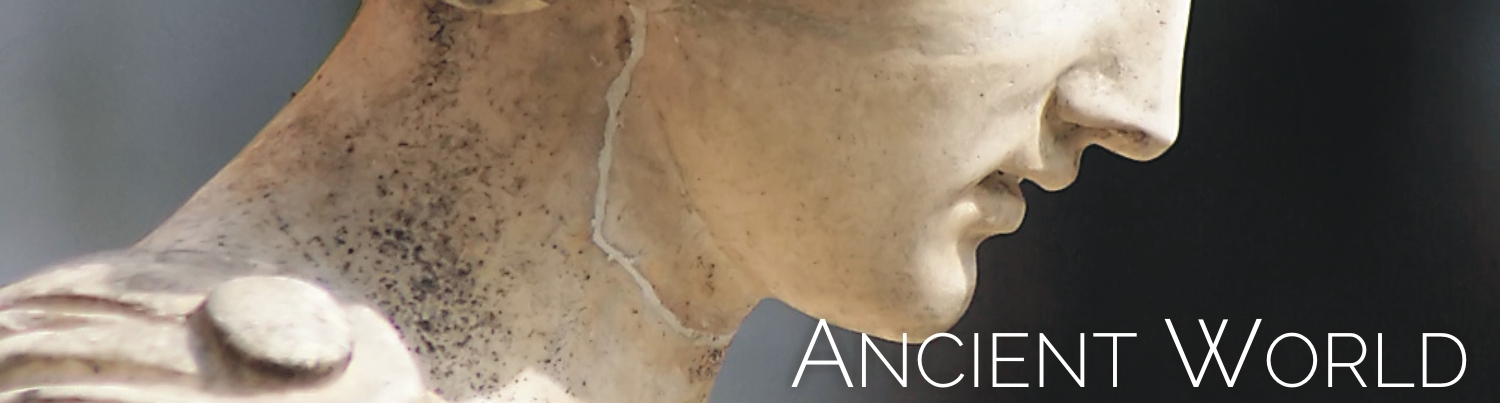
_people worshiped goddesses as well as gods
_women participated in religion, but not in politics
_women were kept apart from men
_girls married when they were 15
_marriages were arranged for them, usually with older men
_women were expected to run the home, manage the finances and make clothes
_women had a lot of freedom
_equal property rights
_could sign contracts
_some women could read and write
_the father had family authority
_men could divorce, not women
_girls got married at a very young age (as early as 12)
_son preference, unequal property rights
_women could not vote or hold public office
_women were allowed to own and inherit property and some ran businesses
_Hatshepsut (1508-1458 BC) - female Egyptian Pharaoh
_Sappho (~630-570 BC)- a Greek poet
_Theano of Crotona (6th century BC) - mathematician and philosopher
_Aglaonike (2nd century BC) - astronomer
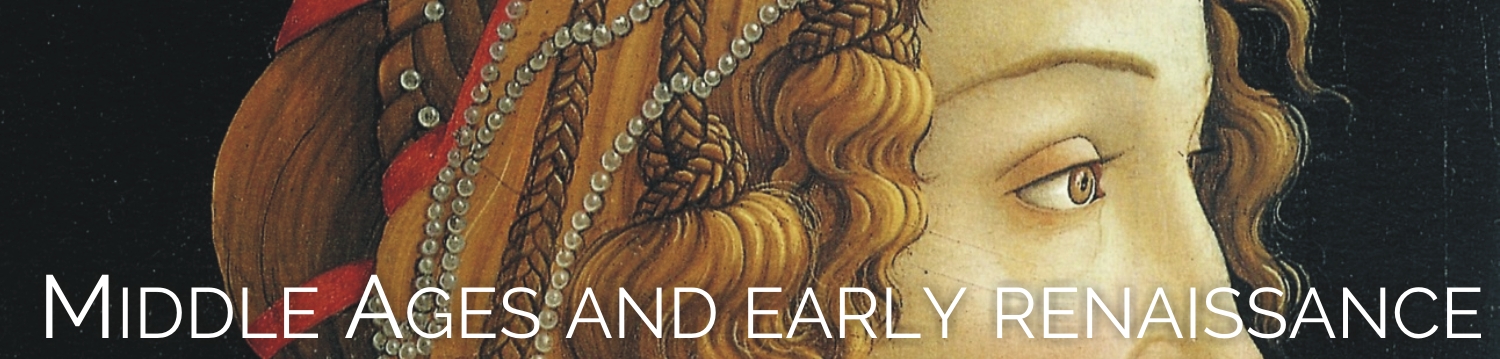
_life for women was hard, rough and usually short
_upper class Saxon women had considerable freedom (women were allowed to own and inherit property and to make contracts)
_regular jobs for most women included spinning and weaving, preparing food and drink and performing other tasks
_women were expected to spin wool and they do cooking and cleaning, also wash clothes, bake bread, milk cows, feed animals, brew beer and even collect firewood
_however, it was not rare for middle class women to operate their own businesses
_some women became nuns but class distinctions still applied in nunneries, which meant that poorer nuns had to work harder
_in upper class families girls married as young as 12 and boys as young as 14
_they did not normally choose their own marriage partners
_parents arranged their marriages for their children
_poorer girls at the age of about 7 or 8 they had to start helping their parents by doing simple jobs
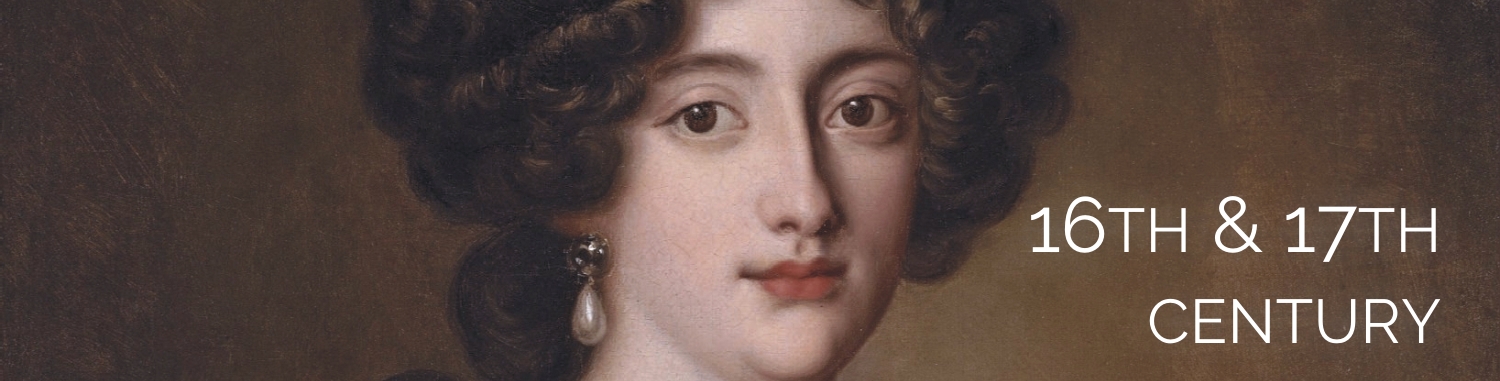
_women were martyred for their religious beliefs
_professions (teacher, lawyer, doctor) were closed to women
_women were tailors, milliners, dyers, shoemakers and embroiderers, domestic servants, midwives and apothecaries, but most of them were housewives
_girls did not go to school. However girls from well off families were usually educated at home
_some upper class women were highly educated. Wealthy girls learned music, dancing, and languages like Greek and Latin, Spanish, Italian and French
_during the 17th century boarding schools for girls were founded in many towns
_in the 16th century marriages were usually arranged, except for the poorest people - divorce was unknown
_legally girls could marry when they were 12 years old, however, normally it was only girls from rich families who married young
_majority of women married in their mid-20s

_girls from rich families went to boarding schools.
_poor girls sometimes went to "dame" schools (private elementary schools) where they were taught to read and write
_charity schools also existed, they were called blue coat schools because of the color of uniforms
_in Great Britain women were not allowed to go to the university and were not allowed to perform most of the professions
_women quite often died in childbirth
_infant mortality was high: about one child in four died before they were 5
_most married women had several children but not all would survive
_most married women did not work outside the home because house-running was so time-consuming
_single women worked as spinners, tailoresses, milliners and washerwomen
_another popular jobs include domestic servants, midwives and milkmaids
Click on their names to find out more
_Caroline Herschel (1750-1848) - astronomer.
In 1786 she became the first woman to discover a comet
_Maria Kirch (1670-1720) - astronomer
_Emilie du Chatelet (1706-1749) - physicist and mathematician
_Maria Agnesi (1718-1799) - mathematician
_Catharine Macaulay (1731-1791) - historian
_Anne Seymour Damer (1749-1828) was a famous woman sculptor
_in 1732 Laura Bassi was made professor of anatomy in Bologna, Italy,
becoming the first ever woman to hold such post
_in 1792 Mary Wollstonecraft published A Vindication of the Rights of Women.
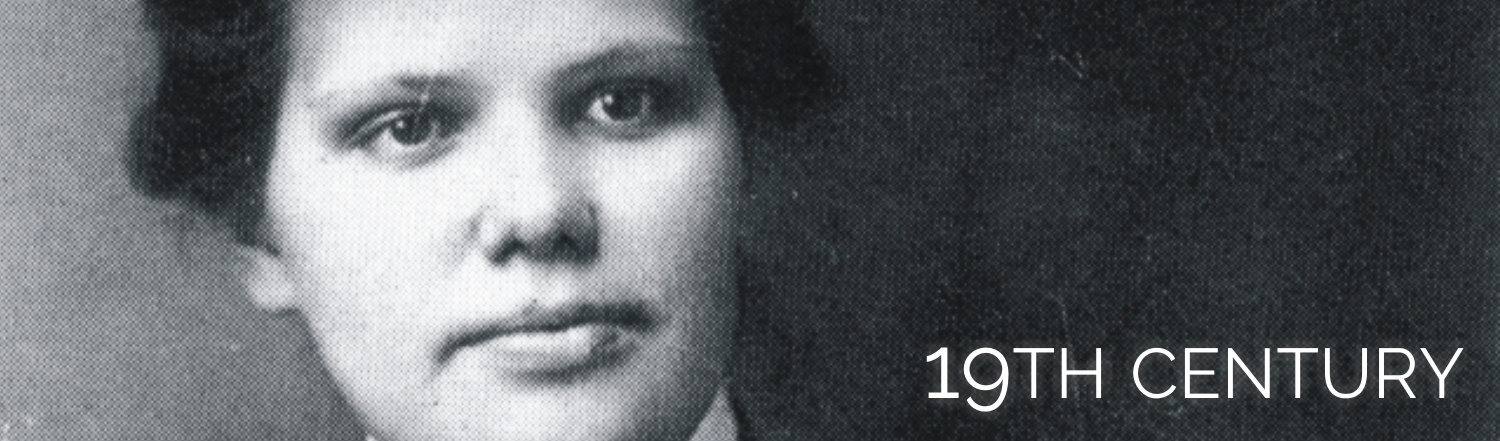
_due to the Industrial Revolution social life transformed and it was becoming more comfortable for most women
_a lot of women were working as servants. The number of servants in the household was considered an indicator of wealth. In order to be middle-class, you had to hire at least 1 servant (80% of the society was middle class)
_women in working class, as soon as they were age-eligble, had to work on farms and in factories
_some crucial reforms for working women were made:
_in 1842 a law banned women and boys under 10 from working underground
_in 1867 a Factory Act said that women and children could only work 10 hours a day in all factories
_by 1878 it was illegal to force women to work in factories for more than 56 hours a week
_from the second half of the century, education was state-provided, and it did include women
_in 1849 American Elizabeth Blackwell became the first woman to gain a medical degree
_in 1869 John Stuart Mill published his book The Subjection of Women, which demanded equal rights for both genders
_1869 women in Britain were allowed to vote in local elections
_in 1895 British dentist Lilian Lindsay became the first female to be qualified in that profession
_1898: first female qualified architect in GB was Ethel Charles
_in 1893 New Zealand became the first country to allow women to vote in national elections
_in 1848 the first women's rights convention was held at Seneca Falls (USA)
(The campaign for women's rights in the USA in the 19th century was led by Susan B. Anthony and Elizabeth Cady Stanton, learn more in PEOPLE secion)
_Florence Nightingale and Mary Seacole, both of them reformed nursing
_Elizabeth Fry played a key role in prison reform
_Mary Kingsley was a famous explorer, known for her trips to Africa
_Ada Lovelace was a famous mathematician, and is considered one of the first ever computer programmers
_Marie Sklodowska-Curie was a famous scientist, a two-time Nobel Prize laureate
_Maria Mitchell was a famous astronomer
_famous writers: Jane Austen (known for Pride and Prejudice), the Bronte sisters (known for Jane Eyre and Wuthering Heights), Elizabeth Gaskell and George Eliot (Mary Anne Evans), Mary Shelley (known for Frankenstein)
_in theory, during the 20th century women gained equal rights with me, mainly due to technological and economic progress that helped eliminate the discrimination
_in 1897 local groups of British women who demanded the vote together formed the National Union of Women's Suffrage Societies (NUWSS), a moderate organisation whose members were called suffragists
_in 1903 a more radical organisation was founded, called the Women's Social and Political Union (WSPU), which was led by Emmeline Pankhurst and whose members were called suffragettes. They often committed crimes to get their voices heard (usually arson and vandalism, sometimes even planted bombs). Their campaign stopped after the breakout of WWI.
_in 1918 in Great Britain women over 30 were allowed to vote
_in 1928 they were allowed to vote at the age of 21, which made them equal to men in that matter (UK)
_in 1919 Nancy Astor became the first female MP (UK)
_in 1929 Margaret Bondfield became the first female cabinet minister (UK)
_in 1979 Margaret Thatcher became the first female Prime Minister (UK)
_in USA, women gained the right to vote in 1920, although in some states they were granted the vote before that
_in 1922, Rebecca Latimer Felton became the first female US senator
_in 1925 Nellie Tayloe Ross becomes the first woman governor of a US state (Wyoming)
_in 1910 the first policewoman was appointed in Los Angeles, while in UK - 6 years later
_Sex Disqualification Removal Act was passed in 1919, allowing women to become lawyers, vets and civil servants
_the first female solicitor was Carrie Morrison in 1922
_women were now eligible to fight for their countries: in USA, in 1917 the WRNS (Women's Royal Naval Service) and WRAF (Women's Royal Air Force) were formed and in the UK, in 1938, the Auxiliary Territorial Service, the female branch of the British army was formed
_married women began to work, at least part-time and had to learn to combine and balance professional and family life
_in 1963 in the USA the Equal Pay Act was signed, which required employers to pay equally qualified men and women the same amount for doing the same job. Similar act was passed in Britain in 1970. (However, gender pay gap is still an issue, see FACTS section)
_by 1975 it was illegal to sack women for becoming pregnant
_that same year, the Sex Discrimination Act made it illegal to discriminate women in employment, education and training.
_in 1921 Dr Marie Stopes opened the first birth control clinic in England, which made headlines and was considered a very controversial move. Contraceptive pills became available in Britain in 1961.
Source: LocalHistories.org - Tim Lambert. Click HERE to learn more interesting facts.