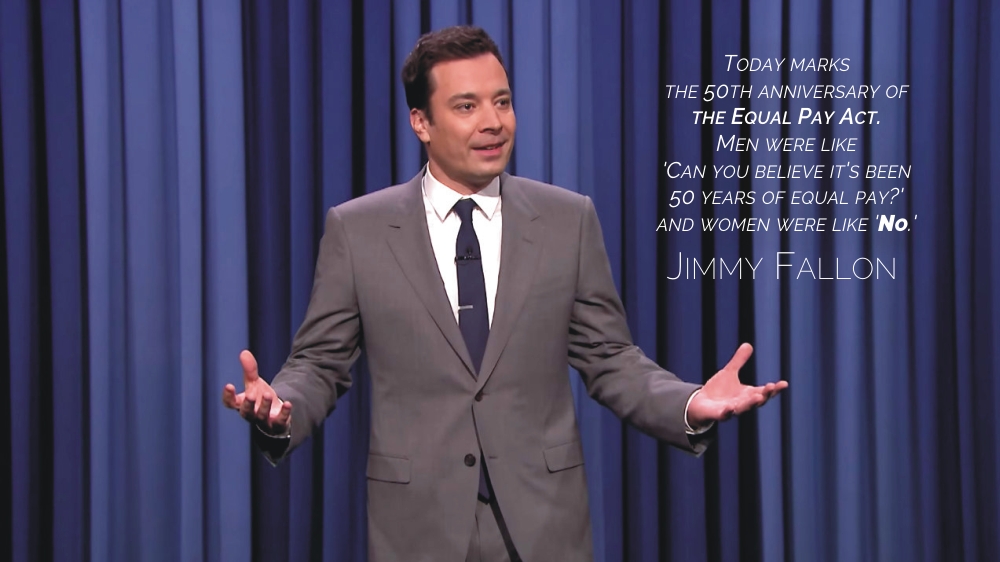
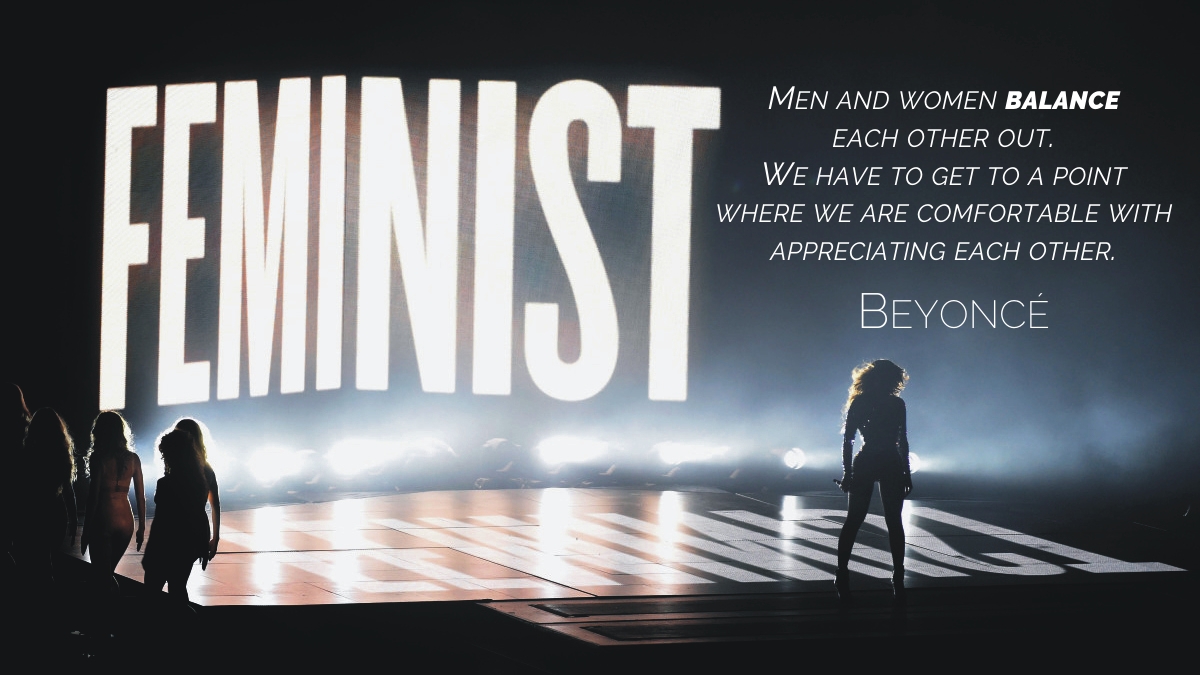
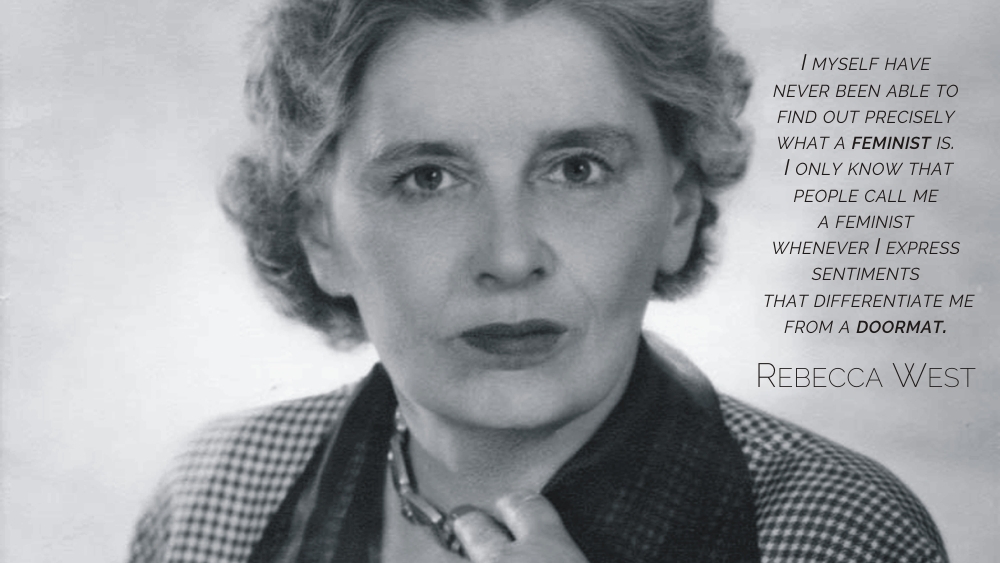
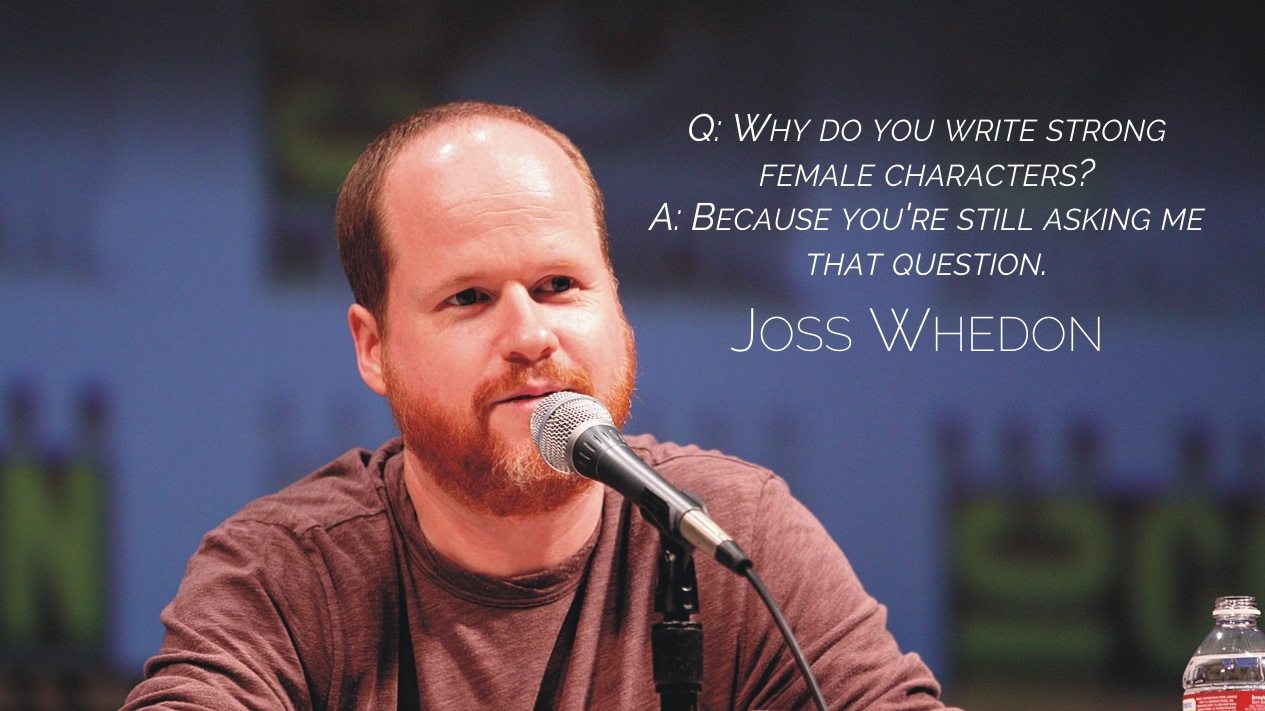
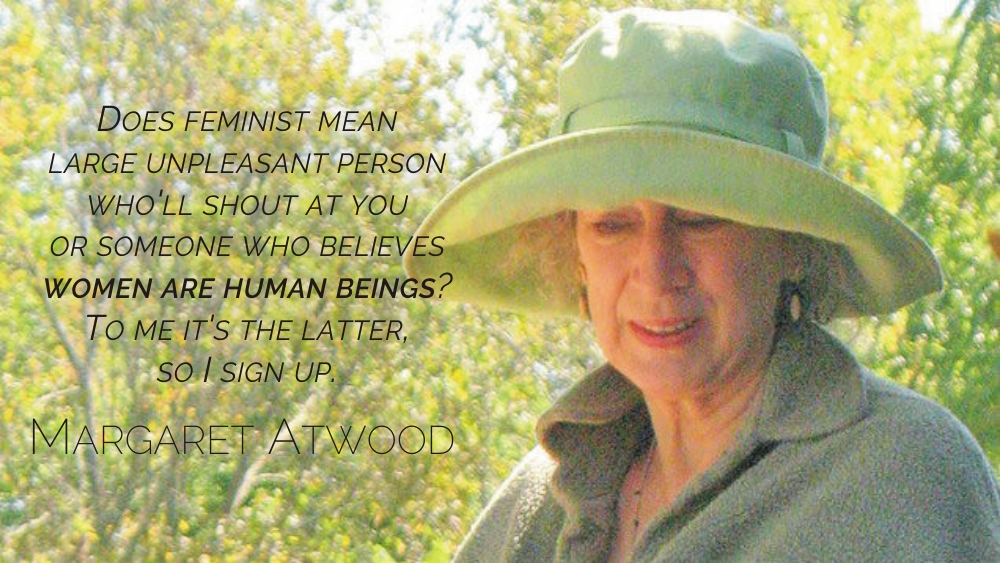
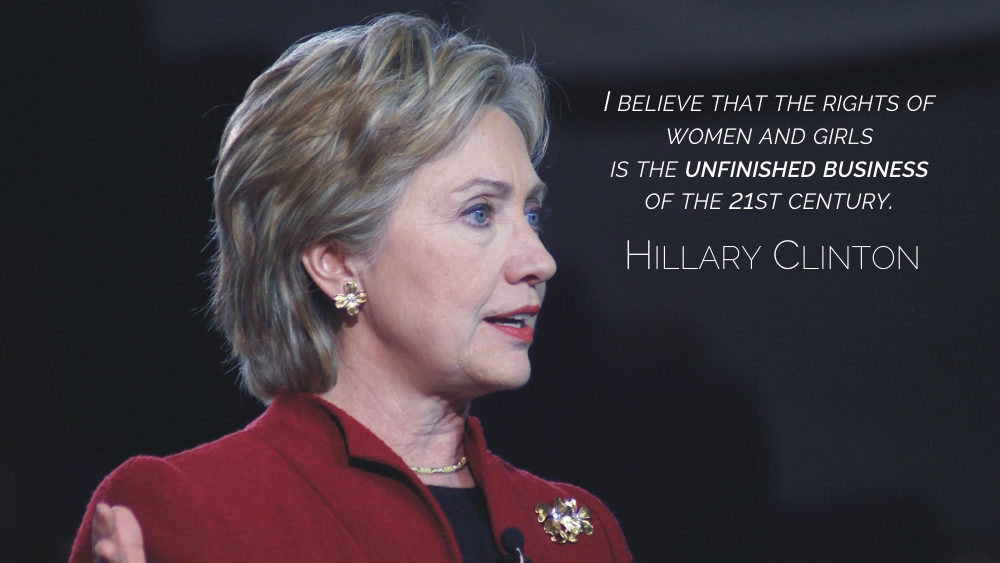
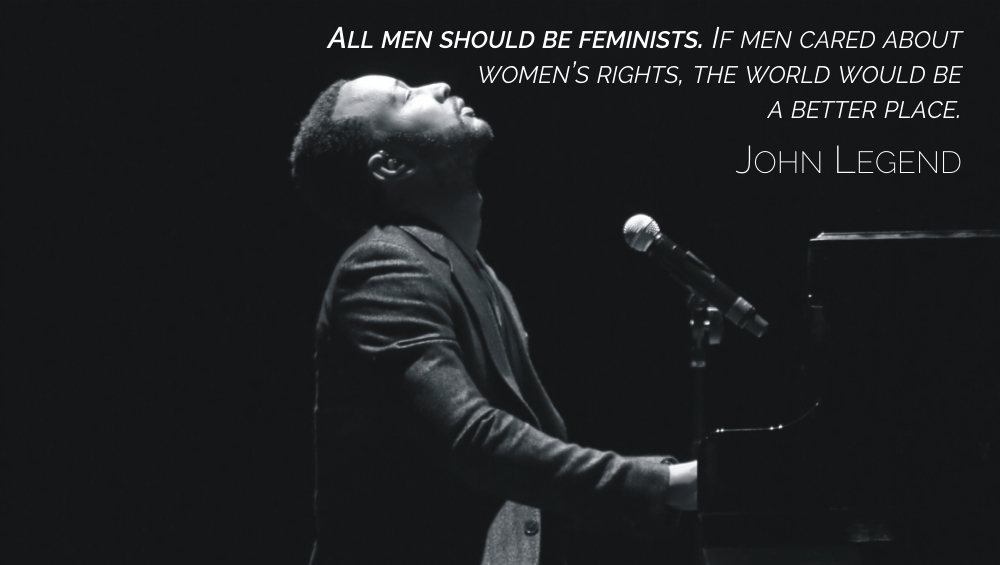
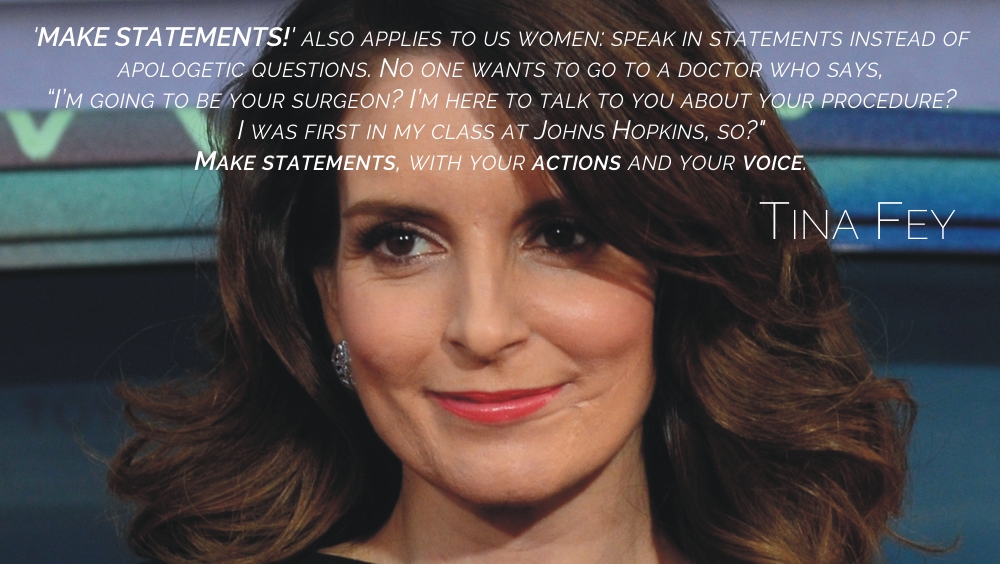
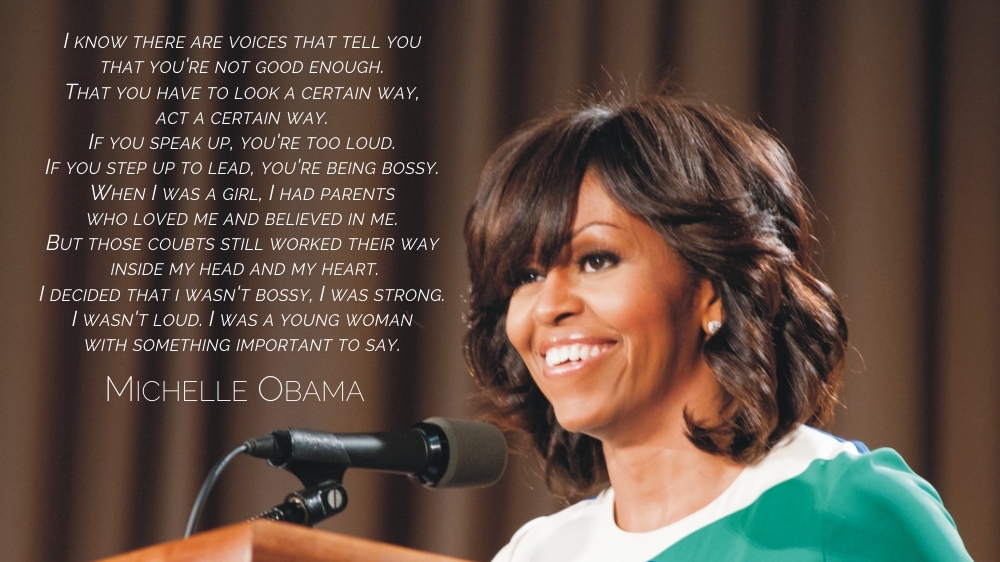
There are many waves of feminism. Some focus on the worst violations of our rights in the world, some focus on supporting women in societies that were seemingly freed from gender inequality. Whatever the message is, whether you're listening to bel hooks or Chimamanda Adichie, you should recognize that the most important aim of feminism is empowering women. I decided to focus on the phenomenon of celebrity feminism, and its especially important power to convince masses.
I am a very fortunate person. I myself have never experienced (or at least not yet) any serious form of gender discrimination. I've never felt intimidated by men, and I also have never felt weak because I was a girl. I've always viewed my gender as my strength, and I've always accepted the differences between sexes - but also, I've always been taught about their equality. The fact that I was never oppressed because I am female is something I owe entirely to the very fortunate coincidence which, in my case, is living in a Western world in the 21st century and also being born into a family with really strong female role models.
So if I lived a perfectly normal life as a woman in a modern society who sees her life opportunities as equal to men's, why would I bother myself with feminism? Why would I even take any interest in human rights? Why would I be even fascinated by history of women's emancipation?
Popular Feminism And Its Affect On Masses
My main inspiration for this website was a product of popular culture in a very strict sense of the word - Beyoncé's song Run The World (Girls), in particular the performance BeyoncÉ gave at 2011 Billboard Music Awards. She chose this song as a main single to promote her new album, which meant she toured with it all around TV studios, concert stages, talent shows etc., promoting her matriarchy by shouting tirelessly, at millions of viewers, that we, girls, run this world, and that we have the persuasion to built a nation, to quote the lyrics. I was twelve when I saw the Billboard performance, and while at first I was mainly in awe of the aesthetics of the show, shortly after I began to wonder.
I found myself thinking: we don't run this world. The world wouldn't survive without men just as it wouldn't survive without women. We are all needed equally. Neither gender is superior, so I don't understand what she's trying to say. I admit that the song made me feel really proud and strong as a girl, and that it did empower me (and it still does), but then I looked at it from a completely different perspective. Why was there even a need to put this message across? Why did we, women, need to be empowered? Why did we feel weak, apparently weak enough for a pop singer to make a song that seemingly claims our superiority?
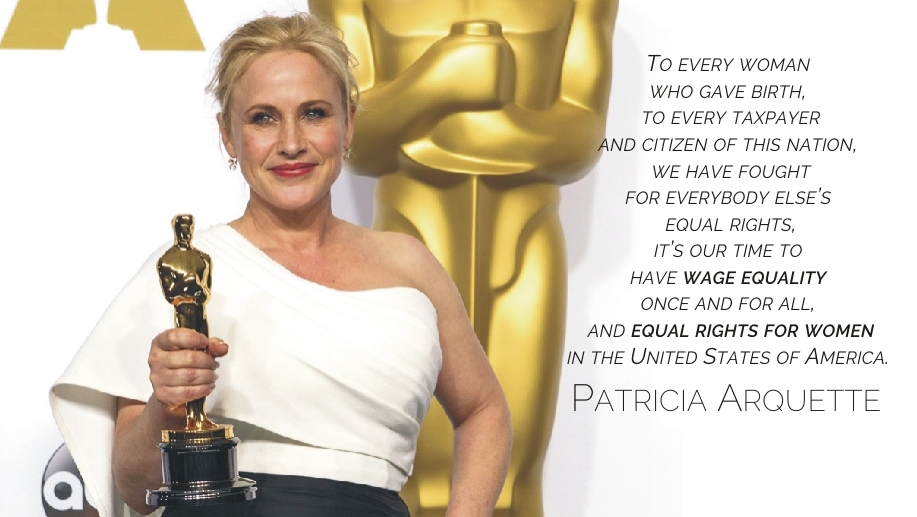
So I thought - there still must be something wrong with the way we portray sex and the way women are treated around the world if even women of the Western civilization need to be told by a popular singer that they are strong and can be powerful. And so I began my research. This is how I found out about genital mutilation in Egypt, this is how I found out about the Lilly Ledbetter Fair Pay Act of 2009, and how the Taliban blow up schools for girls.
This new wave of popular feminism, represented my celebrities, opened my eyes to many problems that I wouldn't even imagine could be real. There's no point in claiming that women's rights organizations or charities have more power to spread their message than so called stars - in the case of the latter there's more eyeballs watching and ears listening.
The Pride and Prejudice
Having had so many great, feminist role models I didn't even think for a moment that the word feminist is generally frowned upon and is considered an unnecessary evil. If you get called a feminist, it's not a compliment. It's an insult. I conducted a survey (What's the first association with the word feminism that comes to your mind?) among my friends and online acquaintances - I got 60 answers. 70% of them were: negative. That is correct. Only 30% think of feminism as something positive.
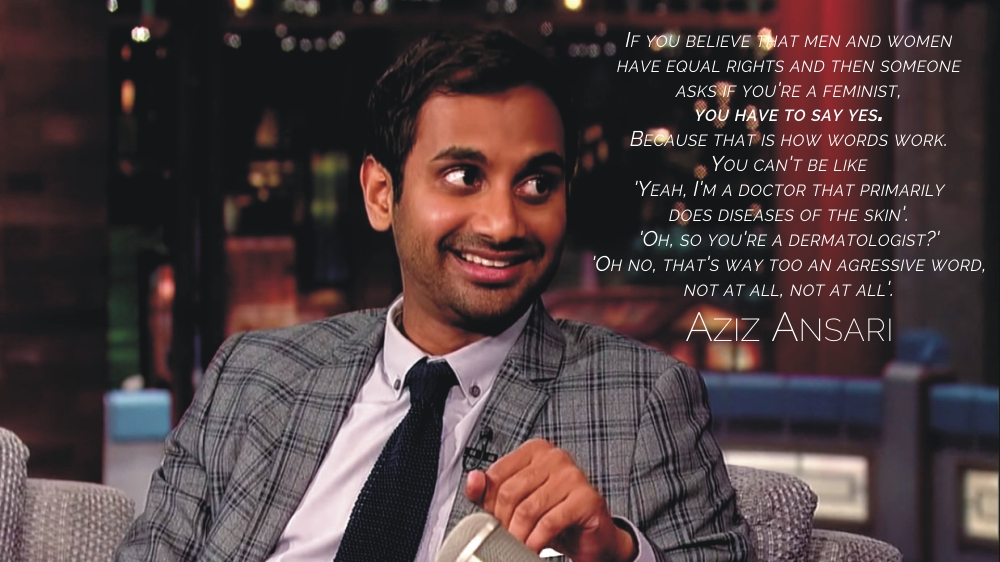
Even women are scared to admit that they're feminists. The word became so tainted with negativity that Malala Yousafzai, for instance, when asked if she was a feminist, chose to stay away from it, preferring to use the term women's rights activist, even though in essence, it means the same.
The definition of feminist is: a person who believes in social, political and economic equality of the sexes. Shouldn't we all be feminists then? I'm sure no husband in Poland would like to see their wife deprived of her right to vote. Actually, her right to live as a regular citizen, a human being, because not so long ago, it was not that obvious to men that we were these things (see HISTORY section), and apparently still isn't in Saudi Arabia..
The Dreaded F-Word Versus Egalitarianism - Which One Wins?
I believe it is a classic example of a word which definition remains in shadow of its perceived, stereotypical meaning. Unfortunately, the term humanist has already been taken. It seems that the problem is about the word itself and its genesis, the prefix fem- in particular, having its root in French femme (the term itself was coined in France in 19th century), indicating female sex, which some interpret as an open claim that men should be inferior to women. That is not the case, and never has been - but still, some people choose not to admit that they're feminists, or prefer the term egalitarian, as it does not highlight any of the sexes, but indeed emphasizes the importance of equality (in French, égalité). I personally think that this term is a broader idea of humans being equal on every ground and that it relates more to the concept of human rights in general - while feminism focuses more on inequality caused by gender discrimination.
Perhaps, these people are right. Feminism is drifting away in a direction that many people (sometimes including myself) can't identify with. We can try to enforce the basic idea of feminism, but we won't prevent the unevitable prejudice that so naturally comes with the word. It's pretty much a lost case. But consider this: for centuries, it was women who were oppressed. It was women who were deprived of fundamental human rights. And unfortunately, despite our enourmous progress, still are.
R. K.
Quotes - sources:AZIZ ANSARI - Appearance on
The Late Show With David Letterman (CBS), 2014,
WATCH IT HEREEMMA WATSON - United Nations Speech, 2014,
WATCH IT HEREMAYA ANGELOU - Interview with George Stroumboulopoulos, 2013,
WATCH IT HEREPATRICIA ARQUETTE - Acceptance Speech at 2015 Academy Awards,
WATCH IT HEREJIMMY FALLON -
Late Night With Jimmy Fallon Monologue (NBC), 2013,
WATCH IT HEREBEYONCÉ -
Yours and Mine, 2014
WATCH IT HERE REBECCA WEST -
Mr. Chesterton in hysterics, The Clarion, 1913
JOSS WHEDON - Equality Now Speech, 2006,
WATCH IT HEREMARGARET ATWOOD -
The Woman's Hour: 50 Years of Women In Britain by Jenni Murray, London: BBC Books, 1996
HILLARY CLINTON - Interview with Newsweek, 2011
JOHN LEGEND -
The Sound of Change Live Press Conference, 2013
TINA FEY -
Bossypants by Tina Fey, New York: Little, Brown & Co., 2011
MICHELLE OBAMA - Speech at
Black Girls Rock! Awards, 2015,
WATCH IT HERE